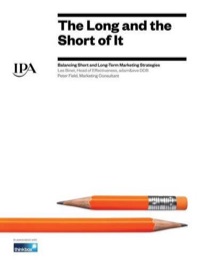
The direct parent of the model. Binet and Field put a number on the split the industry keeps ignoring: roughly 60% of budget to brand, 40 to activation, and the two do different jobs rather than fight over the same one. The Trilemma adds a third corner, Identity, and turns their split into a map you can plot a brand onto. If you read one thing on this shelf, read this.
Reading
The shelf behind the argument.
Books I go back to. The Brand Trilemma is built on the marketing thinking collected here. The reason that corner stays under-funded is older, and it sits outside marketing: a flaw in how people read evidence.
I have read the books listed here. The obvious missing names, Byron Sharp and Kevin Keller among them, are on the shelf and not yet read. They will appear once I have read them.
Lineage
The marketing shelf
The thinking the Brand Trilemma is built on.
-
-
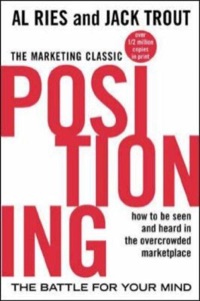
Older than most of what gets called strategy, and still the clearest thing written on the Identity corner. Ries and Trout's claim is that a position lives in the customer's head, not on the product: you win by owning a simple idea before anyone else does. The examples are dated and the tone is brash. The core idea is bulletproof, and my essay on why positioning is a bet, not a slogan starts from it.
-

The book that argued brand equity was an asset worth a line on the balance sheet, back when the phrase barely had a definition. Aaker breaks the Equity corner into parts you can actually manage: awareness, associations, loyalty, perceived quality. The cases are thirty years old and it reads like the textbook it is. The frame underneath still holds, and it is where the word equity on this site gets its precise meaning.
Why it happens
The uncertainty shelf
Why the countable keeps beating the important.
-
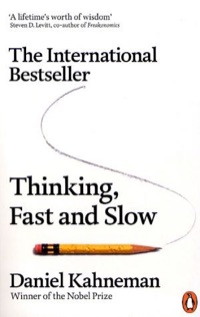
Kahneman gave the starving a name. What you see is all there is: the mind builds its story from the evidence in front of it and never stops to ask what is missing. In a budget meeting the dashboard is what sits in front of everyone, so the dashboard becomes the whole case. Equity was never on the screen, so it never enters the argument. I reach for this whenever someone calls a number the data, as if the rest of reality had signed it off.
-
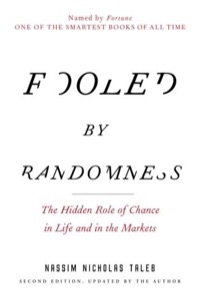
The one that taught me to distrust a good quarter. Taleb's subject is the run of luck that looks exactly like skill until the distribution catches up. Half the performance results I have ever presented were partly demand somebody else built, or plain variance wearing the costume of cause. He is repetitive and he is rude about it, and it is worth reading anyway. The chapter on survivorship should be handed out at every case-study session.
-
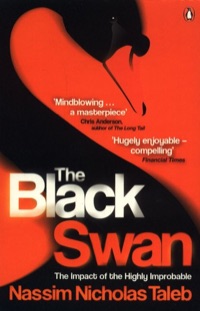
Silent evidence is the Brand Trilemma's central claim in two words. What survives to be measured is the loud, converting minority. The demand your brand created that never resolved into a click leaves no mark on the model, so the model decides it never happened. Read the chapter on the narrative fallacy and you will never again quite believe the tidy story about why last month's sales moved.
About these links
These are plain product links, mostly to Bookshop.org UK, and otherwise to whichever reputable UK bookseller stocks the title. I earn nothing when you buy, and this site records nothing about your click; for how it handles data in general, see the privacy policy.